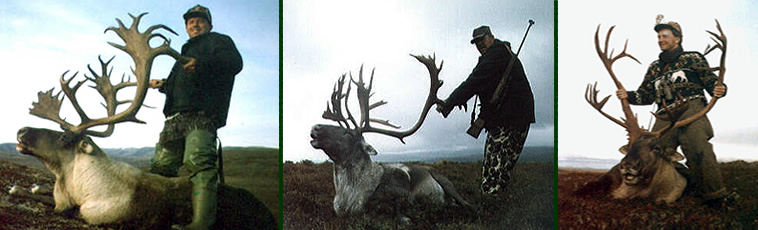
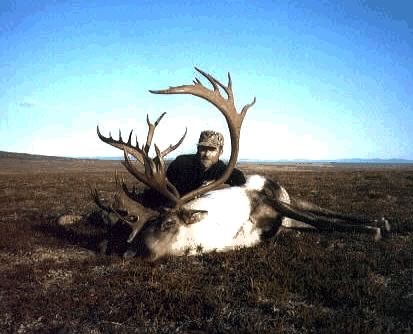
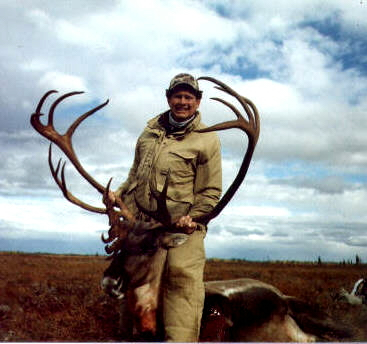
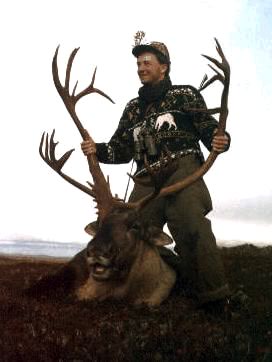
Alaska Caribou Hunting

Alaska Private Guide Service

Smokey Don Duncan,
Master Guide #136

Alaska Private Guide Service Caribou Hunting

Alaska Caribou Hunting Information Caribou season is Aug. 1- Mar 15

See photos of APGS Alaska Caribou Hunts on Picasaweb. Just select Slideshow or Individual photos of Alaska Caribou.

ATTENTION Non-Resident Caribou Hunters

Unit 17, where I hunt, remains closed.

The Board of Game cycle includes unit 17 this spring. There is a proposal to re-open the area to non-resident hunters on a drawing basis or a limited registration hunt. There is no overharvest threat anymore. But I would be surprised if the BOG opens the season because to re-open the non-resident caribou season they would have to end the wolf control program and I do not think they are ready to do that. But since they are not doing wolf control across the whole unit, they could re-open the non-resident season in the areas where wolf control is not being done. To me it does not really matter anyways because we have not been seeing any numbers of caribou in the areas we can get at. That is "They ain't where they use to be.".

My recommendation these days is Unit 26B hunting the Western Arctic herd with over 400,000 caribou.

Other caribou hunting areas would include the Dalton Highway south of Prudhoe Bay (unit 26 B and the Nome Kotzebue areas. The 40 Mile Caribou Herd north and east of Fairbanks (unit 20 D&E and unit 25 C&D) is growing and there are some hunts there that are either drawing or registration hunts. There is also the Alaska Range herd south of Fairbanks in unit 20 A but that one is a hard to draw permit.

Non Resident Caribou Hunting season and Unit 17 is now closed until at least 2013. The meeting is around the first of March 2013. EXPLANATION: At the March 2009 Board of Game meeting it was reported that the Mulchatna Caribou Herd now numbered about 30,000 +- critters. Non residents took 18 -38 caribou in 2008. The harvestable surplus is 2500 critters. Mature bull to cow ratio was about 1-2 mature bulls / 100 cows. It has always been my opinion that a ratio like that is extremely low. In years past F&G said the young bulls would pick up the slack. Maybe they could have if there were any young bulls. But the herd managers let the air taxis continue to rape the herd until only cows were left and no bulls to do any breeding, for years! The critical decision came down to the pivotal Board member from Anchorage saying; "Non-residents kill only the big mature bulls and that is what we are short of so we should close the season." While this is somewhat true, it is also true that many non-residents had been killing young bulls or cows to fill the tag. And it was not reported to the Board how many mature bulls and how many were cows that the NRs killed even though F&G had the information to give them they did not. Why not when it became an issue? The Board did not make any changes to help increase the bull to cow ratio except eliminate the NR hunters which is negligible. Keep in mind. Fish and Game do not make they hunting regs. The Board of Game does and they are politically appointed, many with a special interest agenda. And only one member is a professional biologist, Ted Spraker. His logical argument was, now get this; a thought process that actually looks at the ramifications on one change and how it effects other game. Ted Spraker paraphrased; It has been reported here that NR hunters kill 85% of the brown bears in this area. We just lengthened the brown bear season to kill more bears. How many of those NR caribou hunters will kill bears or wolves which is what we want. Eliminating the NR caribou hunters will likely result in more caribou deaths from predators than the hunters are killing. " The vote was 4-3 to close the season. For the record: This has been the worst 10 years of mismanagement of caribou ever, anywhere. Interesting was that the Board chose not to close, modify or restrict the take of bulls in the adjacent units of 19 or 18. Which is where the caribou are in the early part of the hunting season. Why not?

UPDATE: 3/2011. The Board of Game chose to keep non resident caribou season closed. . The reason were that they could not institute wolf control for the benefit of caribou while the non-resident season remained open. Resident harvest and utilization remains very low because the herd is staying relatively unaccessible areas during the hunting season. The herd is actually split into 2 herds that do not intermingle at all and are separated by a long distance. The main or more original Mulchatna herd is where the wolf control will take place and it will be limited to the calving grounds most likely in late winter and spring. Non-residents can not participate in the control; and I, as a guide with a plane and equipment can not make money from anyone who might enjoy and help pay. And to further complicate the matter, the control areas are mostly likely to be on or near large blocks of private lands where permisssion will be tough or impossible. I expect the State to bear the brunt of expenses. Time will tell.

Resident Hunters

Resident or non-resident does not matter. I still don't have anything for you that is worthwhile at this point

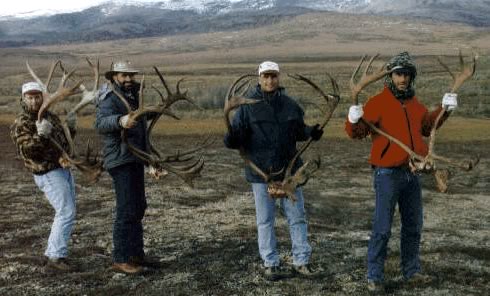
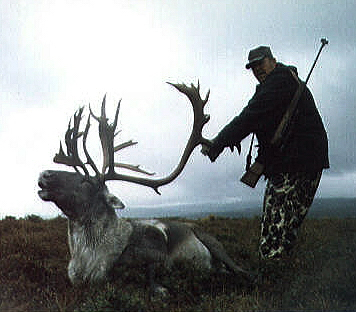
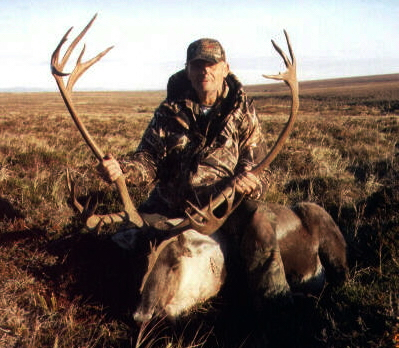
I used to hunt the Mulchatna Caribou Herd, about 50,000 caribou. I hunt mainly in Unit 17 and sometimes in unit 19. These are Barren Ground Caribou, the largest of the 5 species. Over the last 17 years, I have had a 96% success rate in this area. To watch 1000, 5000, 10,000 caribou or more, is a sight to behold. But things have changed in the last few years. The herd population exploded, blowing past the 50,000 management goal to over 200,000 caribou. The Mulchatna caribou beat down their winter range and then expanded their range both north and south. Fish and Game and the Board of Game responded by making it a 2 bull area, and directing every air-taxi and caribou hunter to the area. The area was raped. Timing and migration patterns changed. The average size and trophy quality steadily dropped. As a result, most of the air taxis have since moved on to rape another herd. Finally; in March 2005, the Alaska Board of Game reduced the non-resident limit to one caribou, bull or cow. Residents saw major restrictions placed on them. The changes are having a positive effect. This herd is comprised of migratory bands (typically not around during the season) and stationary bands of 10 to 200 animals. We hunt the stationary bands. These bands hang around large solitary mountains in our areas. The regulatory changes are slowly making a difference. We responded by flying the caribou hunters into where caribou were and then setting up the Arctic Ovens or steel frame tent camps. We purchased a 4 passenger, wide body, 180 H.P. Super Cub “Tundra Bird” with big tundra tires so we can land on the tundra, dry lakes, and ridge tops. This plane also helps pick up the meat and antlers and cut down the packing to the runway or camp. Flexibility and mobility have always been the key to successful caribou hunting and that is what we have! You should get one and the meat will be good. In 2006 my 5 caribou hunters were 100% successful. We had no 2007 or 2008 caribou hunters. Last fall I saw the first decent big bull caribou that I have seen in 5 years so the caribou are getting a chance to mature to trophy size and the herd is reproducing.

Smokey Don Duncan, Owner, Master Guide #136 and P.H.
Wayne Gregory A.G., Fishing and Waterfowl Guide
299 Alvin St. Fairbanks AK 99712
Phone: 907-457-8318 Email: apgs@gci.net

All content © 1991-2013 Alaska Private Guide Service
All Rights Reserved