Alaska Non-Resident Moose Hunting

Alaska Private Guide Service

Smokey Don Duncan,
Master Guide #136

Alaska Private Guide Service Moose Hunting Trophy

Non-Resident Alaska Moose Hunting Information

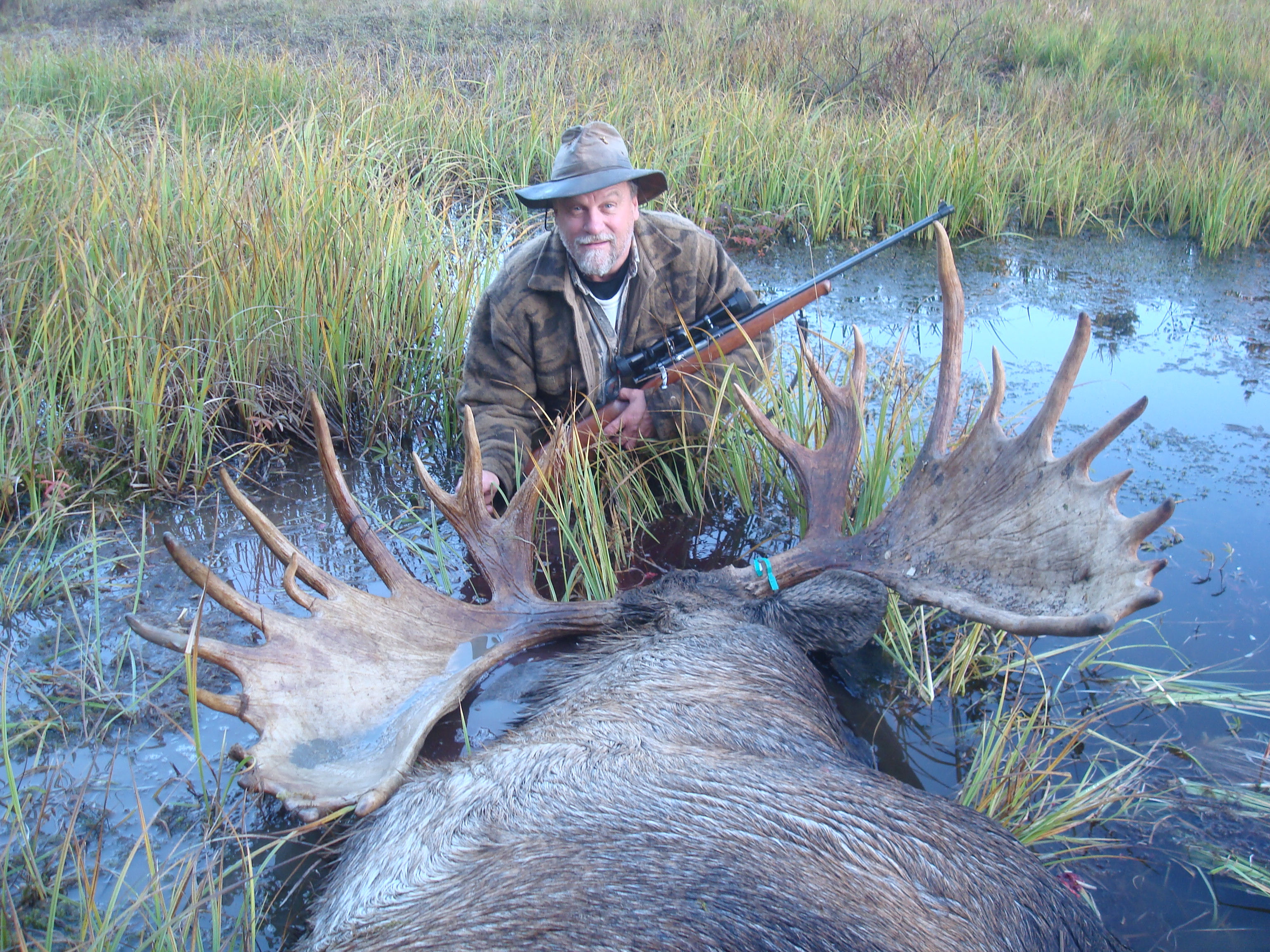
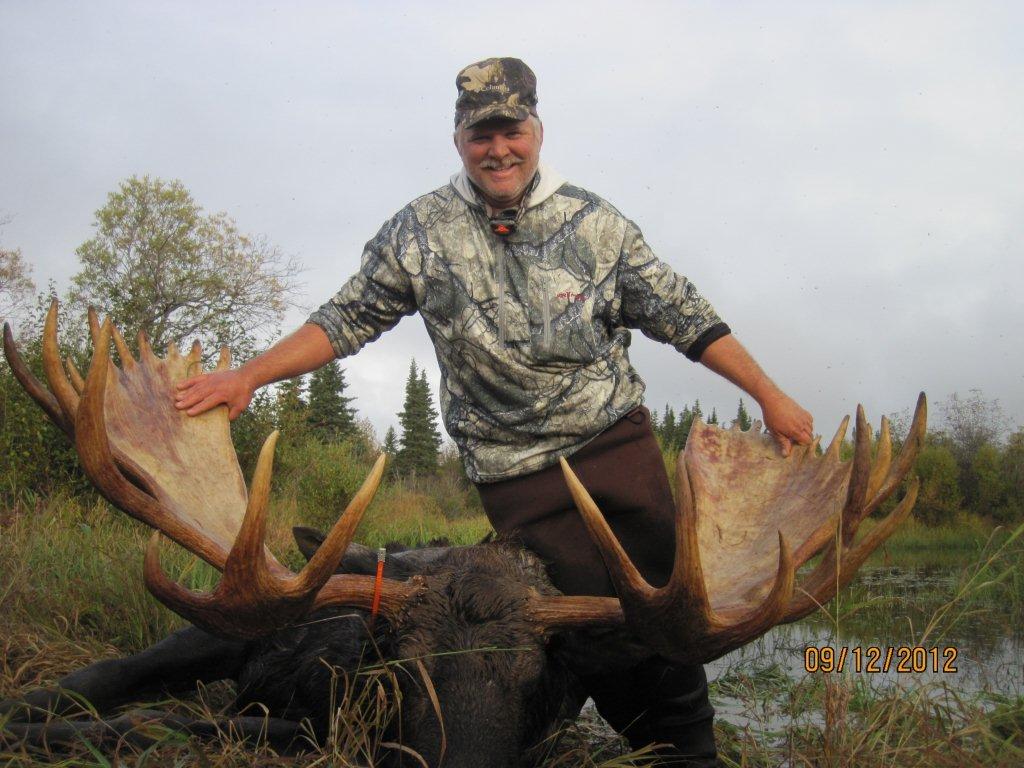
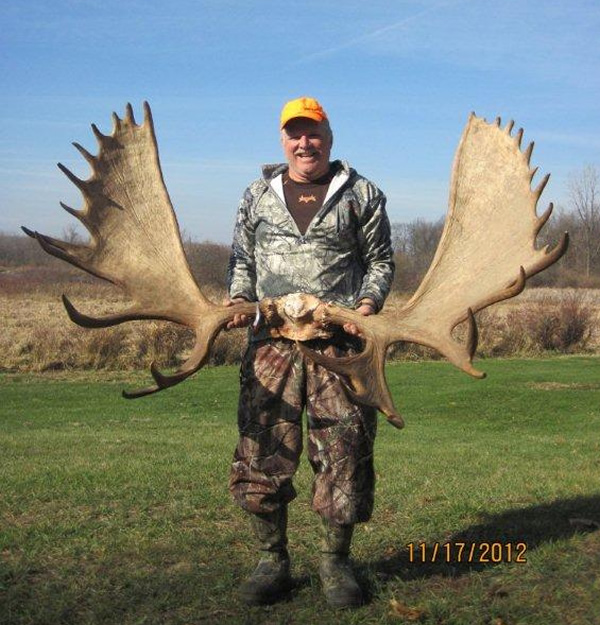
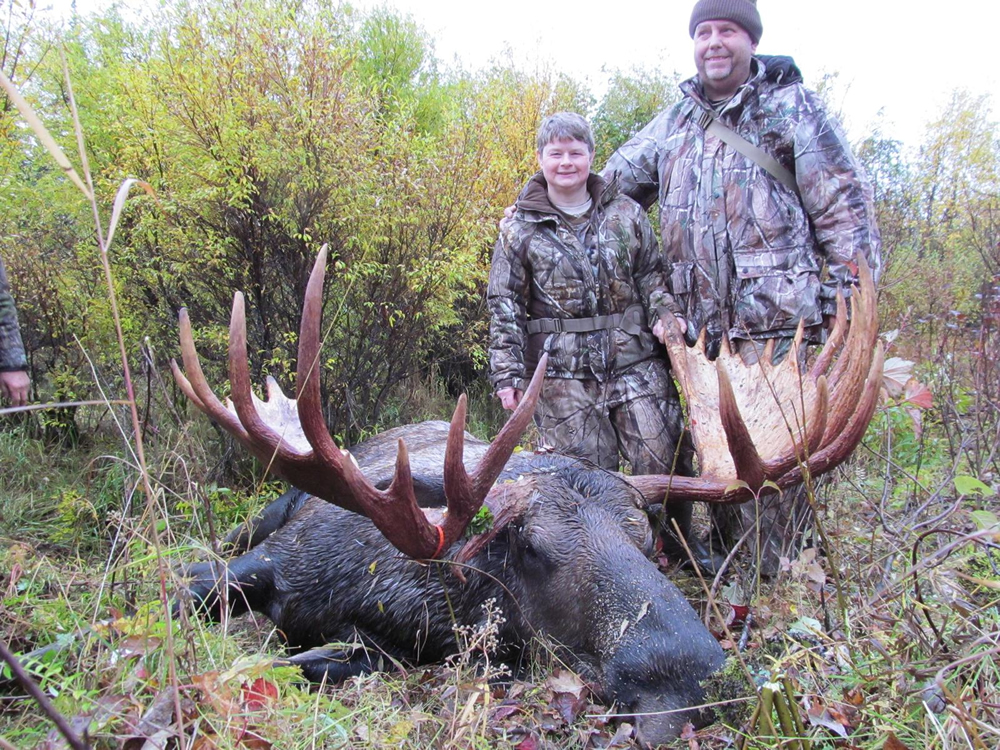
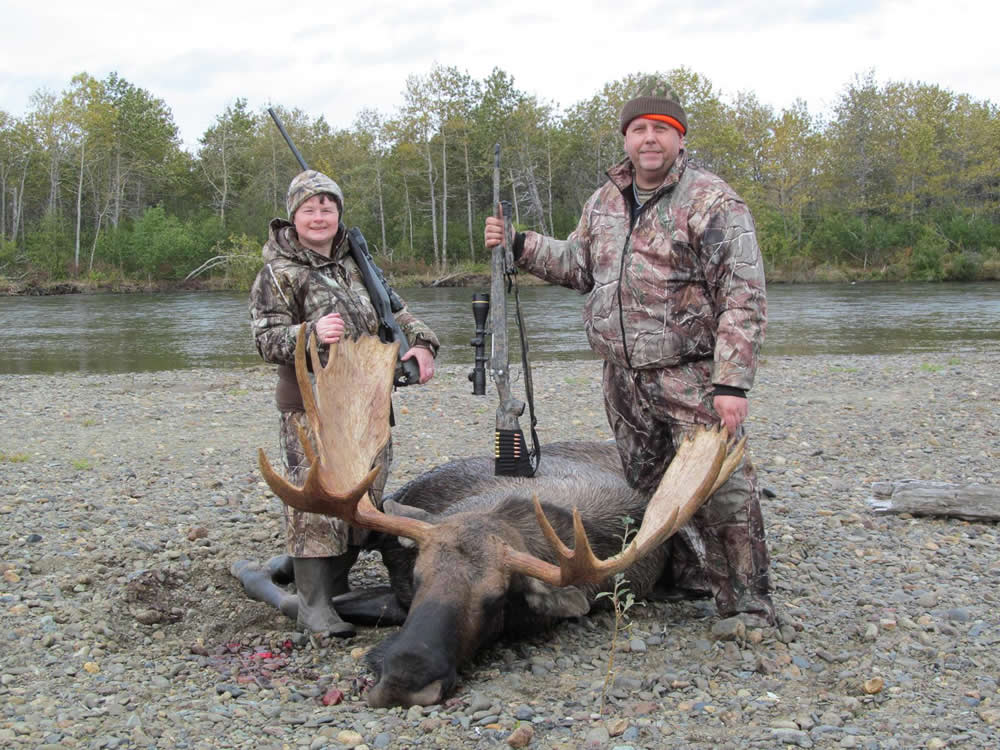
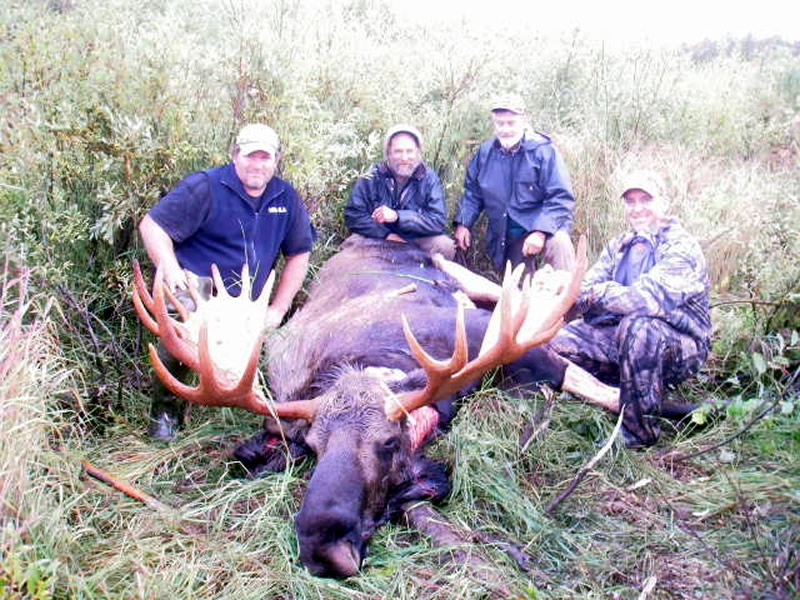
Alaska moose hunt season is September 5 - 15 for Non-residents for eleven days of hunting. We hunt GMU 17 and GMU 20. The bull moose are generally velvet free and polishing antlers after Sept. 1st as they head into the rut. Few moose hunting experiences are as exciting and scary as a huge bull slashing & crashing through the woods answering the calls and coming to, or in some cases, after you! To shoot the moose, first we have to judge it legal. You are part of the team and you are the trigger puller, so I send you a video on how to judge moose that you must watch and study before hunting. The shots are frequently very close especially in the vegetative river corridor. Game management 17 is our primary hunting area with a 50” minimum spread. GMU 20 is the “any size bull” hunting area, see GMU 20 information below.

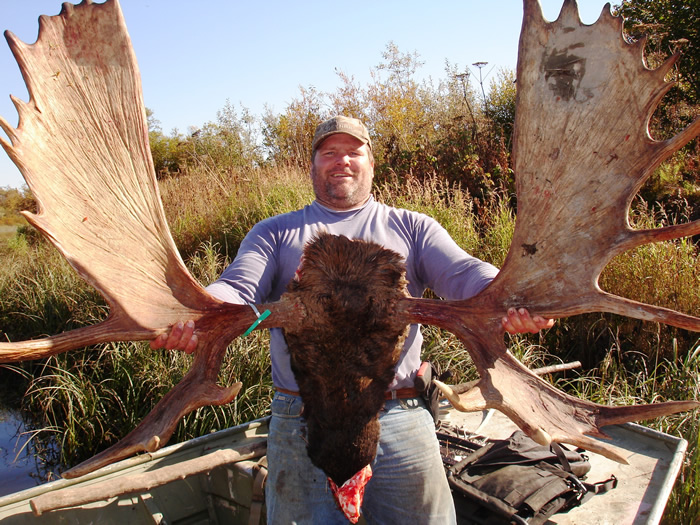
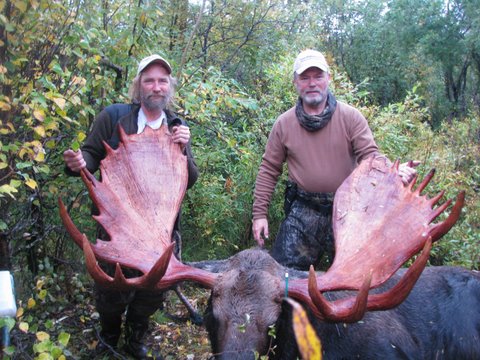
Within Game Management Unit (GMU) 17, Alaska Private Guide Service offers two Alaska Non-Resident Moose Hunting Areas; one area requires a free registration permit (NOT A DRAWING PERMIT) and one area does not. Non-residents must take a moose with a minimum 50" spread OR a moose with four brow tines on one side. Many moose hunters choose to do the Alaska moose and brown bear combination hunt.

Combinaiton hunting for brown bear, black bear, caribou, wolf, wolverine, and some small game is also available. See the price information for costs and kill fees.

Alaska Game Management Unit 17

GMU 17 is located 300 miles west of Anchorage, in southwestern Alaska, north of Dillingham. Moose season for all non-resident areas in unit 17 is Sept 5-15.

Non-resident Permit Area - GMU 17

This area requires Non-residents moose hunters to acquire a river corridor ALASKA MOOSE registration permit. See Permits, Licenses, Fees for details.

Permit Area Alaska Moose Hunting Description -- Jet Boat Camps

This area is centered around the major rivers and creeks through out the unit. Most camps and hunts use jet boats for mobility although I do have some fly in and walk camps, K2 and K2 spike, in the permit area. I’ll discuss the jet boat based camps first.

Jet boat camps include the K1 main base camp (which is the base for all unit 17 hunts) and the temporary base camps set up just for fall moose and bear hunting, K3, KS1, KS2, and HC1.

From our base camps, we use the boats to travel up or down the river to reach where we will get out of the boat, go into the woods. Sometimes we catch a bull moose standing in the river. The rivers and creeks are bordered on both sides by the vegetative corridor. Out side of the corridor is open tundra. The moose hunting will be in or near the vegetative corridor between the river and the tundra. The vegetative corridor is not solid nor is it real wide. It is bisected with smaller river channels, lots of old cut off river channels, sloughs, pond and clearings. These areas are what we hunt. Typically we do a lot of calling to locate the big bull moose. The jet boats allow us to hunt moose several places a day. If we don’t get an answer we, move by foot or boat. Early in the season, most bull moose will only answer calls and are reluctant to come to the call. So we mark the spot and check back on them from time to time until we can convince them to come to us. It is best that they come to us. We have to see them good to judge the antler spread. And frequently by then, they are close. Early on, the prime times are early morning and late evening to dark. The bull moose will bed down mid day. That will change as moose season progresses and the bulls travel to find cows. Some of the camps have nearby bluffs reachable by boat or short hikes. There, we can spot and call longer distances. These camps are along smaller tributaries with a more narrow vegetative alley that concentrates the moose in a smaller area close to the river and camp. This allows us the option to cover the area more so on foot from camp and to be less reliant on the jet boats. Using the jet boats and back pack rafts we have never had to pack a moose kill more than 15 minutes to the boat! Shots are frequently very close since we hunt in the vegetative corridor near the river. Longer shots are available across meadows, from bluffs, or across the creeks. Depending on which camp and how you are hunting, you may run back to camp for lunch and a nap. This is ideal for those who can't walk far or for bow hunters needing close shots.

The brown bears feeding on fish will never be far from the river. A moose kill along the river or creeks will almost always have a brown bear on the gut pile with in 36 hours. Once a moose kill is left overnight, you had better be prepared when you return. We kill a lot of moose right before dark. We try to stay and call for help on the radio to get it butchered and hung up a ways away if possible. Do you see why most hunters are choosing the moose and bear combination hunt?

All of the jet boat camps will have world class fishing for silver salmon, red salmon, rainbows, trout, grayling, pike and char. Before the hunt or after lunch during the hunt you can fish for free. Keep in mind we get up at 5 am for the morning hunt and get back to camp about 10 pm for dinner after the evening hunt. About day 3 of that, and you’ll be liking the idea of a mid day snooze.

Permit Area Alaska Moose Hunting Descriptions -- Fly In Camps

These camps are located on smaller creeks with narrow vegetative corridors. It is a natural funnel. They are accessible by our wheel plane only. All hunting is done on foot. We use calling and spot and stalk looking from the ridge down into vegetation which is shorter and not as dense. Resident bull moose will gather their cows in the traditional rut areas. That is why we put the camps where we did. Any bull moose traveling down the creeks or coming from another creek will pass through large open sections of tundra or low brush. The views are 360 degreees and expansive so you can cover a lot of ground with your eyes. You’ll also see any brown bears out on the tundra eating berries. The brown bears will find the moose kills although it may take a little longer than on the main rivers. You must be able to walk and it helps if you can pack. Tom can usually land the plane between the moose and camp.

The permitted base camps, K1 and K2, are outfitted with 12 ft by 12 ft steel framed weatherproof tents. Each tent has wooden floors, wood stove, light or lantern comfortable cots with thick pads. There is a separate fully equipped cook tent, an enclosed shower, an enclosed privy, and satellite phone or two-way radio communication with other camps and the village. We do our best to make base camp a warm, dry, and comfortable place to stay. The temporary base camps, K3, HC1, and KS3 , have much the same except plywood floors. They are set up on gravel bars and we put a tarp down for the floor.

Permit Area Alaska Moose Hunting Camp Comparisons

K1 Base Camp

NOTE: 2007 Results at K1 Camp
  • Main base camp for operation headquarters.
  • Primarily use jet boats to move up and down the river to reach the optimal hunting locations giving access to a extremely large area from a single base camp.
  • From the boat, hunters walk through the vegetative corridor to spot and call moose.
  • Moose are primarily called into close range where they may be judged and taken.
  • The walking distance is not far from the jet boat nor is it strenuous.
  • K2 Base Camp / K2 Spike Camp

  • Only accessible by plane—it is located on a ridge above a creek.
  • Jet boats not available at this camp.
  • Hunting primarily on foot and requires the ability to walk several miles per day.
  • 360 degree view, allowing hunters to spot moose across, up or down the creek for many miles.
  • Meat is transported out by plane and the packaging requires the hunter to be in good physical shape .
  • K3, K5, and KS3

    These river-based jet boat camps resemble the K1 base camp, but lack a wooden floor. They are located on or near creeks and rivers near spotting bluffs so being able to climb a hill is best. -- top

    Non-resident Alaska Moose Hunting Non-Permit Area - GMU 17

    The river corridor non-resident moose registration prompted us to open areas where the permit was not needed. We did this in 2007. We are continuing to open some more.

    The new KK camps are in the non-permit area for non-resident moose hunting. All of these camps are fly in and a walk to moose hunt camps, which requires hunters to be in moderate to good physical shape and able to walk a few miles per day. If you are not in good physical shape, we recommend a moose river hunt in the river corridor registration permit area discussed above. The standard moose hunt base camps are similar to the ones described above. They are generally fully equipped steel frame tents. The camps located near creeks or lakes are outfitted with rafts to allow crossing. We also provide Artic Ovens for our spike camp to insure moose hunters a place to warm up and dry out. Raft or float trips are equipped with a portable camp including cots, pads, and rafts. Alaska moose season opens Sept. 5. Alaskan brown bear season opens on Sept. 10. Starting Sept. 10 you can choose to hunt either brown bear or moose from the same camp. My advice is to concentrate on moose. This area tends to produce moose kills earlier, so typically there is plenty of time for bear on a combination hunt. Once you have a moose, you may be flown out to a nearby "brown bear only" camp if you have not been seeing bears. -- top

    Non-Permit Area Alaska Moose Hunt Description

    It would be too time consuming to write about the full details of each individual camp. For the most part, they are similar to the K2 area. You can see longer distances so spotting and long range calling are used. Typically the camps are located on an open tundra ridge with good visibility of the moose hunting area. There will be an associated vegetative corridor close by where the moose will be located. The bull moose are frequently spotted moving between patches of broken spruce. The hunting areas have some kind of funnel or natural attractive feature whether it is a lake, pond, or creek. While you can see better than K1, you’ll want to move around some to fully hunt the area. Most of the moose hunting will be within 2 miles of camp. Some days you may want to pack a lunch and stay out particularly towards the end of the season when the rut gets serious.

    Some moose hunting areas will have more brown bears than others usually because of an abundance or lack of, salmon. The camps associated with creeks will have grayling, dollies, and maybe some rainbow trout.

    Non-Resident Alaska Moose Hunting Prices - GMU 17

    Most moose hunts consist of 1 guide / 1 hunter or 1 guide / 2 hunters. Our contract stipulates the ratio that will be in place when you book.

    Alaska Moose Guided Hunts
    Hunt Days 7 7 11 11 11
    Guides 1 1 1 1 1
    Hunters 1 2 1 2 3 or 4
    Price Per Person $12,000 $9,500 $13,500 $11,000 $8,000*

    * For experienced and physically fit hunters only!

    Outfitted / Un-guided Hunts
    Hunt Days 11 11
    Guides 0 0
    Hunters 4 2
    Price Per Person $5,000* $7,000*

    * an additional $400 per moose transport to Dillingham.

    Father - Son or Buddies
    Hunt Days 12 (11 moose, 7 brown bear)
    Guides 1
    Hunters 2
    Price Per Person $11,000*


    * Each moose hunter must buy a brown bear tag and obtain a moose permit, and one animal per hunter is allowed. Other animal tags may be added (see tag prices below) -- top

    Alaska Moose Hunt and Alaska Brown Bear Hunt Combination Prices - GMU 17

    Since Alaska moose hunting season and Alaska brown bear hunting season overlap, we offer hunting trips in both permit and non-permit areas in GMU 17. My advice is to concentrate on moose hunting while keeping an eye out for brown bears. (The bull moose can be found easy enough when they answer calls or spotted in the open, but we have to get them in close enough or be able to judge spread.) As the season progresses; the rut turns on and the bull moose will come towards and challenge the caller so they can be judged and taken. When you get a moose the brown bears will come to the gut pile/kill site and meat poles. Generally the bigger brown bears of the area will command the kill sites. This is particularly true along the river system in the moose hunting permit area. It's then easier to bag a brown bear as well. In the non-permit area, you can choose to hunt either brown bear or moose from the same camp once the brown bear season begins. This area tends to produce moose kills earlier, generally leaving plenty of time to hunt brown bear. These are Alaska Yukon, ALCES ALCES moose. Once you've bagged a moose, you may be flown to a "brown bear only" camp for better brown bear hunting if needed. -- top

    Alaska Non-Resident Moose and Brown Bear Combination Hunting Prices

    Alaska Moose / Brown Bear Guided Hunts
    Moose Hunt Days 11 11 11
    Brown Bear Hunt Days 7 7 10
    Guides 1 1 1
    Hunters 1 2 1
    Price Per Person $18,500 $15,500 $21,000

    Hunters also have the option to add Waterfowl hunting for an additional $200 / day per person. -- top

    Alaska Moose Hunting Logistics - GMU 17

    Travel

    You are responsible for getting to where we meet you. All moose / brown bear hunters will travel through Anchorage to Dillingham to Koliganek. We will meet you in Koliganek and either fly or boat you to camp. Don’t worry about booking reservations from Dillingham to Koliganek. That leg will cost about $80 each way. Send me your full incoming and outgoing flight schedule and I will arrange the Dillingham to Koliganek flight for you. Arrange your flight to arrive at the Dillingham airport between 10 am and 5 pm if possible. For departure from Dillingham to home, schedule flights after 6 pm. Alaska Private Guide Service has connected Bed and Breakfasts in both Dillingham and Koliganek available if necessary. It is possible to travel from your home destination to camp in one day from most locations. Note: The problems you will run into are: Alaska Airlines will get you to Dillingham after 6pm. Penair can get you there earlier if you get to Anchorage just afternoon but they will arrive in Dillingham after their last village flight for the day. We use another village commuter that flies later in the day. If you have to overnight, it is recommended to overnight in Dillingham. You’ll have less airport hassels, get more rest, be ready to go in the morning and your baggage can catch up to you on the early morning Penair flight if needed. -- top

    Trophy / Meat Shipment

    Once you have chosen your trip package, Alaska Private Guide Service will send you an informational letter regarding the available services and options for trophy and meat shipment. Please decide which services you prefer before you arrive in Dillingham, and notify us on the provided form.

    Game must be dismembered in the field where it falls. By law, the front shoulders and hind quarters must remain on the bone, evidence of sex must remain attached to a hind quarter and the meat must be packed out before the antlers. Bring 9 game bags for the meat. We cape the moose and cut off the skull plate leaving the antlers attached. The skull is cleaned up and we remove excess from the cape. Generally we do not work on the lips ears and nose unless absolutely necessary. Instead, we prefer to fly out the cape with the meat. The antlers usually stay in camp until departure. Transporting out the meat is included in the price. You may choose to keep all or part of it. APGS will handle paper work and donations to the village or Dillingham for a fee of $100

    Once in Dillingham, an expediter will meet our pilot and box the meat and capes for freezing, this process takes 2-3 days, and then ship the meat according to your instructions. The expediter, not Alaska Private Guide Service, will bill you for these services. There is also the option to cut and wrap your own meat if you would like. Any unwanted meat will be accepted by Alaska Private Guide Service. We encourage clients to use meat processors in Anchorage to improve reliability.

    All trophy antlers must now be shipped as air cargo or be shipped through the expediter. It is much cheaper to split the antlers for shipping and/or place more than one pair in the box the expediter builds for you. Note: splitting the antlers will save you enough shipping costs to have them reattached. And, you’ll remember this when the mount won’t fit through the door and when you go to hang it or move it. Remember, the antlers can not be split in the field. -- top

    Permits, License, Fees - GMU 17

    Permits

    Permit Area moose hunters must pick up a river corridor ALASKA MOOSE registration permit IN PERSON at Fish and Game IN DILLINGHAM between July 15 and August 31, Monday through Friday, 8AM - 5PM. Only seventy-five permits are issued each year. (During the last 3 years F&G only issued about 25, 50, and 24 permits respectively. They have never run out.) In 2008 that means by August 29 by 5 pm! (The 30th and 31st are weekend days.) No exceptions! So don’t ask.

    There are two options for picking up a Alaska moose permit in Dillingham. First, you may pick up the river corridor registration permit early in the summer and then return to Alaska later in the summer for the moose hunt. Many moose hunters choose to visit Anchorage and tour Alaska with their families, stopping in Dillingham for a short time only to pick up the permit. The second option is to travel to Dillingham in late August, pick up a permit, and then continue onto camp to enjoy our free Cast and Blast. Moose and bear combination hunters have an additional option -- top

    Licenses

      Non-resident Non-resident Alien
    Hunting License $85.00 $300.00
    Fishing (7 days) $55.00 $55.00
    Fishing (14 days) $80.00 $80.00
    Fishing Year Round $145.00 $145.00

    Tags

      Non-resident Non-resident Alien
    Black Bear $225.00 $300.00
    Brown Bear $500.00 $650.00
    Caribou $325.00 $425.00
    Moose $400.00 $500.00
    Wolf $30.00 $50.00
    Wolverine $175.00 $250.00

    NOTE: A tag will cover any animal of equal or lesser value.

    Kill Fees

    Black Bear $800.00
    Caribou $1500.00
    Wolf $200.00
    Wolverine $400.00
    State Waterfowl Stamp $5.00
    Federal Waterfowl Stamp $15.00

    Additional Costs

    APGS charges $75 to seal a brown bear or a wolf at Fish and Game, which must be done before freezing and before leaving the state. APGS charges a maximum of $100 per animal to handle moose or caribou meat donations. Waterfowl hunters are asked for an additional $200/day to cover added guide, ammunition, and gasoline costs.

    NOTE: Wounded game that is not found is considered killed and the big game tag for that species is spent. -- top

    K1, K2 and Camp References

    Remember the time zone differences and be respectful of the time you call. Call the references, they will gladly talk.

    K1 References

    Bob Wilson, TN 423-332-2385; Greg Down, PA 814-796-8017; Rick Morris, PA 814- 824-8119; Jerry Dennis, AZ 623-327-0934; Jeff Kirkpatrick, AZ 951-538-4838; Bill Etter, PA 412-486-2765; Andy Kisis, OH 440-835-4967; Gary and David Rasor, OH 330-336-1703; Ed Fernandez, WI 715-384-8095; Jimmie Davis, AR 870-901-007; Wayne Shelton, OH 330-336-7001 Bruce Robison, OH 440-353-0768; Joe "Kastaway" Kulas, OH 440-232-8352; Mike Hawkins TX 713-249-0838; Wayne Brewer, TN 423-476-6472; Bob Stogdill, TX 979-421-9046; Jim Brozell, PA 814-774-3790; Ron and Dave Lofquist, AZ 928-684-0672; Bob Vanicek, Pa 814-774-9012; Doug Dunn, UT 435-789-7143; Chris Pendergraft, WY 307-857-1977; Buck and Brad Carroll, GA 478-256-2018.

    K2 References

    Tracy Fisher, OH 440-298-1569; Robb Moses, OR 503-721-0905; Joe Weiss, NY 716-759-0986; Don Young, PA 814-833-5058; Phil Humphrey, NY 585-765-2139; Jerry Smith NC wk # 336-279-6022; Vernon Jacquel, PA 814-476-1058.

    KK References

    KK camp is a no permit area: John Henderson, OH 216-272-4997; Gerry Mumfrey, TX 214-564-6300.

    Bow Hunters: Bob Migliore, TX 409-737-3986 wk#; Bruce Trapp, OH 440- 247-6755; Ron Stine, OH 330-264-3406; J.D. Thomas, MD 410-838-7828. -- top

    See our Moose Hunting Success and Results listed by year!!!

    See a Fall Alaska Moose Hunting video.


    Alaska Game Management Unit 20 Non-Resident Moose Hunting

    ONLY OUTFITTED UNDGUIDED ALASKA MOOSE HUNTING CAMPS ARE AVAILABLE FOR 2008. THIS HUNT IS FOR RESIDENTS AND NON-RESIDENTS. (see our GMU 20 Resident Moose Hunt page if your are an Alaskan)

    In Game Management Unit 20, Alaska Private Guide Service offers a Non-Resident Alaska Moose Hunting Area. The benefit of GMU 20 is prices are less because the logistics are cheaper and there is no minimum trophy size. Limit is 1 bull moose any size, Sept 5 - 15.

    NO permits are needed in this area. Game Management Unit (GMU) 20 is located to the West of Fairbanks and North of Denali Park along several interior rivers. The many ponds, sloughs, and swamps off the main rivers make this area an ideal habitat for moose and black bear with few wolves or grizzly bears. GMU 20 is a special area, because while the moose are just as large as in other regions, there are no permit or minimum spread requirements and there are small kill fees for other game found in the area. Alaska Private Guide Service offers both guided and unguided moose hunts in GMU 20.

    For the Alaska moose hunts, you will fly into Fairbanks where Alaska Private Guide Service will meet you and arrange for your transportation to camp. GMU 20 is only accessible by boat or plane, and we have several camps for moose hunts along the river to choose from. APGS uses 20-24 ft. prop boats to travel from the camp to the hunting grounds. We rarely moose hunt from the boat, but instead work by foot or using canoes and rafts along the river, sloughs, and ponds. At the beginning of the trip, we hunt in the mornings and evenings, but as the season progresses, the moose go into rut and begin to travel allowing for all day hunting. -- top

    Camps - GMU 20

    The camps for GMU 20 are temporary since they can only be in place 14 days in one location. Each has steel frame tents or wall tents with a wood stove, lantern, cots, pads, sleeping bags, enclosed privy, shower, meat pole, a fully equipped cook tent with propane stoves, and all the necessary general camp equipment like saw, ax, etc. Hunters will help setup or finish setting up the camp upon arrival. -- top

    Non-Resident Moose Hunting Prices - GMU 20 C and B

    Guided Hunts
    Moose Hunt Days 11 11 11
    Guides 1 1 1
    Hunters 2 3* 4*
    Price Per Person $7,000 $6,000 $5,000

    * For semi-guided trips

    Un-guided Hunts
    Moose Hunt Days 11 11
    Guides 0 0
    Hunters 2 3 - 4
    Price Per Person $4,000 $3,500

    An unguided Alaska moose hunt, outfitted by APGS with a raft/boat and camp supplies lasting 11 hunting days. A hunter must be experienced and qualified for operating boats and navigating rivers, or else the trip will be centered on a lake. APGS recommends moose hunters, at least one per party, come up for the spring Alaska black bear season to learn the river and boats and to do some early scouting. -- top

    Logistics - GMU 20 C and B

    The Unit 20 hunt is less expensive because the logistics and costs are much simpler and cheaper.

    Travel

    Each hunter should plan to arrive into Fairbanks on September 3-4 and spend one night in a hotel. Alaska Private Guide Service will arrange for you to travel to camp depending on your arrival, and return to Fairbanks in time for a red eye flight on September 16. This is the arrangement for 11 total hunting days; if you would prefer a shorter trip, please plan it late in the season and please contact APGS for additional information.

    Prices for the trip include transportation for each hunter and his or her personal gear from Fairbanks to camp and back. All food, gas and general camp gear is also provided.

    The price does NOT include licenses, tags, meat shipment to Fairbanks, alcohol, or having bears and wolves sealed at Fish and Game. The average round trip plane fair from the East Coast to Fairbanks is approximately $800.

    Trophy / Meat Shipment

    All bears and wolves must be sealed at Fish and Game during the week (Monday-Friday) between 8 am and 5 pm. It is free to seal bears and wolves. Alaska Private Guide Service can assist if necessary for a charge of $75.

    To keep the overall price of the trip low, Alaska Private Guide Service does not transport meat from the hunting ground to Fairbanks. You may do the following with your meat:

  • Give the meat to another party passing along the river, it is a main artery for hunters
  • Pay for the APGS pilot to transport the meat to Fairbanks all or in part for a fixed rate of $400
  • Depending on many variables during the trip, it may be possible for Alaska Private Guide Service to transport small quantities of meat for free or at a low cost. Please speak with your Guide for more information about this option during the course of your trip.

    Should you choose to transport your meat, Fairbanks has a number of meat processors that can pick up the meat, process, freeze, and ship it for a much lower cost than most areas. -- top

    License, Fees - GMU 20

    Tags

      Non-resident Non-resident Alien
    Black Bear $225.00 $300.00
    Brown / Grizzly Bear $500.00 $650.00
    Caribou $325.00 $425.00
    Moose $400.00 $500.00
    Dall Sheep $425.00 $550.00
    Wolf $30.00 $50.00
    Wolverine $175.00 $250.00

    NOTE: A tag will cover any animal of equal or lesser value.

    Kill Fees

    Black Bear (1st one is waived) $500.00
    Moose / Grizzly $3000.00
    Wolf Waived
    Wolverine Waived
    State Waterfowl Stamp $5.00
    Federal Waterfowl Stamp $15.00

    Additional Costs

    APGS waived all kill fees on wolves, wolverines, and the first black bear for 2008. Each additional black bear cost $500. A $3000 kill fee applies if a hunter takes a moose and a grizzly bear. The trip must be fully guided to hunt grizzly bear. -- top

    Smokey Don Duncan, Owner, Master Guide #136 and P.H.
    Tom O'Connor Registered Guide #1204 and Pilot
    Don E. Young Registered Guide #1205
    Wayne Gregory A.G., Fishing and Waterfowl Guide
    299 Alvin St. Fairbanks AK 99712
    Phone: 907-457-8318 Email: apgs@gci.net

    All content © 1991-2008 Alaska Private Guide Service
    All Rights Reserved